9 Signs Your Heating and Cooling System Needs Repair
August 19, 2026
A properly functioning home comfort system is essential for maintaining consistent indoor temperatures, good air quality, and overall energy efficiency. When issues begin to develop, they often show up gradually through subtle changes in performance. Recognizing these early warning signs can help prevent more serious damage and costly replacements. In many cases, routine maintenance and timely attention can extend system life significantly. According to This Old House, well maintained HVAC systems typically last between 15 and 20 years, depending on usage, maintenance habits, and environmental conditions.
Understanding how your system operates — and when it begins to fail — can help you avoid unnecessary discomfort and expense. Heating and cooling systems are designed to regulate indoor environments efficiently, but when they begin to malfunction, they often show clear indicators. These signs may include unusual noises, inconsistent temperatures, and rising utility bills. Paying attention to these changes allows homeowners to address problems early and maintain long-term system performance.
1. Identifying Unusual System Noises
One of the earliest indicators that your system may need attention is the presence of unusual sounds. While most systems produce a low operational hum, loud banging, rattling, or squealing noises can suggest internal issues. These sounds may come from loose components, worn-out belts, or debris inside the unit. When a system begins making abnormal noises, it often means parts are struggling to function properly. Ignoring these signals can lead to more extensive damage over time.
In some cases, small mechanical issues can escalate into full system breakdowns if not addressed promptly. Homeowners often overlook these sounds at first, assuming they are temporary. However, consistent noise changes are one of the most reliable early warning signs that a heating and cooling system requires professional evaluation.
2. Recognizing Inconsistent Indoor Temperatures
Another common sign of system trouble is uneven temperature distribution throughout the home. If some rooms feel significantly warmer or cooler than others, it may indicate airflow problems or thermostat malfunctions. Inconsistent temperatures often point to issues such as blocked vents, duct leaks, or failing internal components.
These problems force the system to work harder to maintain balance, reducing efficiency and increasing wear over time. A properly functioning system should maintain steady comfort levels across all rooms. When temperature inconsistencies become frequent, it is a strong indication that the heating and cooling system is not operating at peak performance and may require repair.
3. Observing Rising Energy Bills
A sudden or gradual increase in utility costs without a corresponding change in usage habits can signal system inefficiency. When equipment is not functioning properly, it often consumes more energy to achieve the same results. Dirty filters, aging components, or refrigerant issues can all cause the system to overwork itself. This increased strain leads to higher energy consumption and reduced efficiency. Monitoring monthly bills can help identify performance issues early. If energy costs continue to rise despite regular usage patterns, it may indicate that the heating and cooling system is struggling to operate efficiently and requires inspection or servicing.
4. Noticing Weak Airflow Issues
Weak or inconsistent airflow is another important sign that something may be wrong. When air does not circulate properly through vents, it can lead to uneven comfort levels and reduced system effectiveness. This issue is often caused by clogged filters, blocked ducts, or failing blower motors. Reduced airflow forces the system to run longer cycles, increasing wear and energy consumption. A well-functioning system should deliver steady and strong airflow throughout the home. If airflow becomes noticeably weaker over time, it is likely that the heating and cooling system is experiencing internal inefficiencies that need attention.
5. Detecting Unpleasant Odors and Air Quality Changes
Strange smells coming from vents or noticeable changes in indoor air quality can also indicate system problems. Musty odors may suggest mold growth in ductwork, while burning smells could indicate electrical issues or overheating components.
Air quality changes can also occur when filters are not properly maintained or when dust and debris accumulate inside the system. These issues not only affect comfort but can also impact health, especially for individuals with allergies or respiratory conditions. When odors persist or air quality declines, it is often a sign that the heating and cooling system requires cleaning, repair, or component replacement.
6. Monitoring Frequent Cycling and Short Operation Bouts
Systems that turn on and off too frequently may be experiencing short cycling. This issue can be caused by thermostat problems, overheating, or improper system sizing. Frequent cycling reduces efficiency and places unnecessary strain on components. Over time, this can lead to premature wear and increased repair needs. A properly functioning system should run in consistent cycles that maintain temperature without constant restarting. When short cycling becomes noticeable, it is an indication that the heating and cooling system is not operating as intended and may require diagnostic evaluation.
7. Checking Humidity Imbalance and Comfort Changes
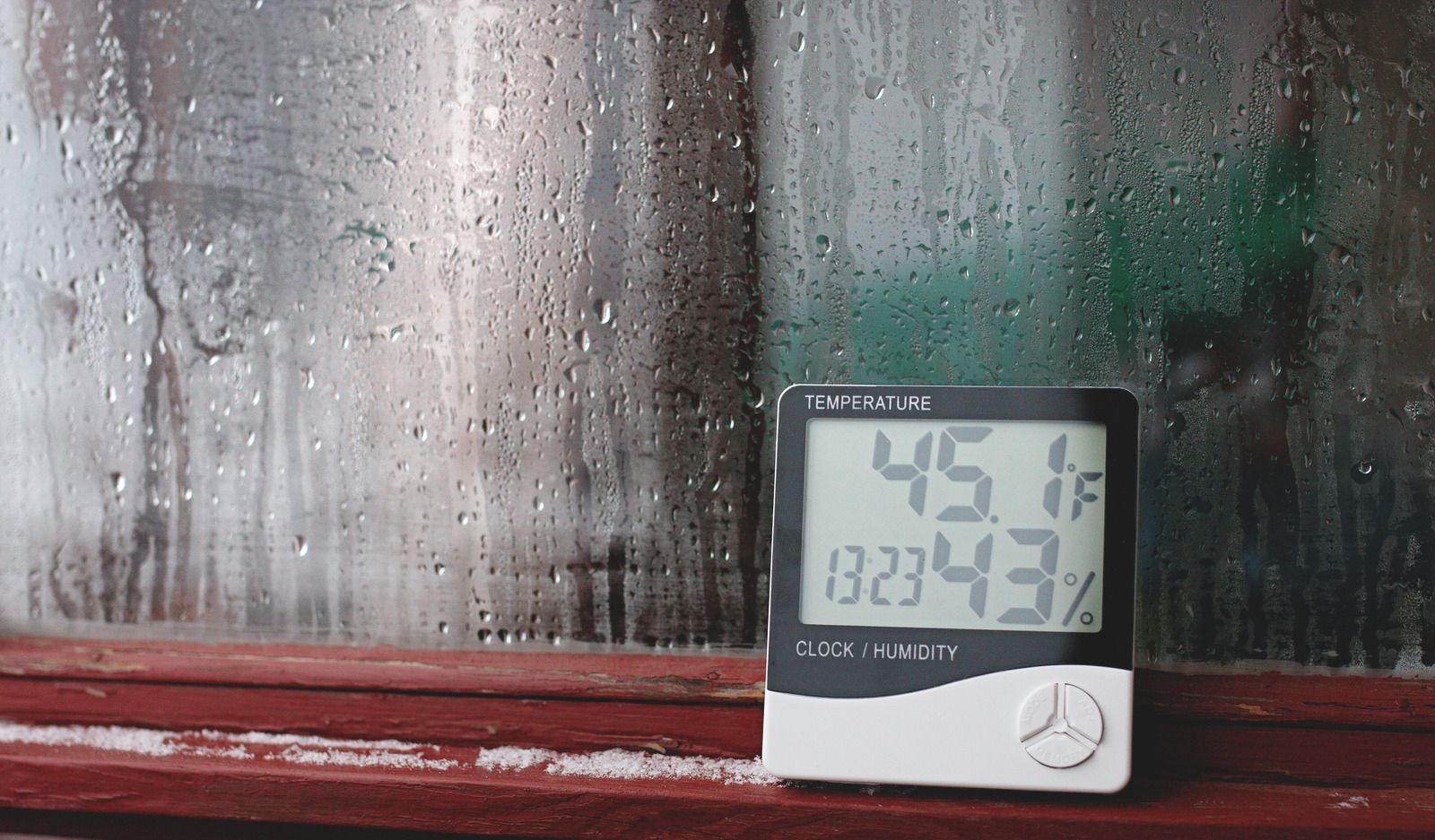
Indoor humidity plays a significant role in overall comfort. If your home feels excessively dry or overly humid, it may indicate that the system is not properly regulating moisture levels. Excess humidity can lead to mold growth and discomfort, while overly dry air can cause irritation and static electricity. These imbalances often stem from malfunctioning components or poor system calibration. Maintaining proper humidity levels is an important function of a well-operating system. When comfort levels begin to shift noticeably, it may signal deeper issues within the heating and cooling system that require attention.
8. Evaluating System Age and Repair History
As systems age, their efficiency naturally declines. Older units often require more frequent repairs and may struggle to maintain consistent performance. If your system is approaching or exceeding its expected lifespan, it is important to monitor it more closely for signs of failure. Frequent repairs can indicate that components are wearing out faster than expected. While occasional maintenance is normal, repeated issues may suggest that the system is nearing the end of its operational life. Evaluating both age and repair history helps homeowners decide whether continued repairs are cost-effective or if replacement should be considered. In many cases, older systems show multiple warning signs before complete failure occurs.
9. Understanding Repair Timing and Preventive Action
Knowing when to address issues is essential for maintaining long-term system health. Delaying repairs often leads to more extensive damage and higher costs. Early intervention allows small problems to be fixed before they escalate.
Preventive maintenance also plays a key role in system performance. Regular inspections, filter changes, and tune-ups help keep components functioning efficiently. This proactive approach reduces the likelihood of unexpected breakdowns and improves overall reliability. Taking timely action ensures that the heating and cooling system continues operating efficiently while minimizing long-term expenses and inconvenience.
Recognizing the early signs of system trouble is essential for maintaining comfort, efficiency, and long-term performance. From unusual noises and airflow issues to rising energy bills and humidity changes, each warning sign provides valuable insight into system health.
Addressing these issues early helps prevent costly repairs and extends equipment lifespan.
With proper care and timely maintenance, homeowners can ensure reliable performance and consistent indoor comfort throughout the year. If you’ve noticed any of these warning signs in your home, don’t wait for the problem to get worse. Contact Professional Heating and Cooling today for professional inspection, reliable repair solutions, and dependable service that keeps your home comfortable year-round.