6 Benefits of Replacing an Aging Air Conditioner
August 19, 2026
3. Reputation and Reviews
Lastly, assessing the contractor’s reputation can be incredibly telling of what to expect. Reviews, testimonials, and ratings from previous clients can offer a glimpse into their work ethic, reliability, and customer service. Online platforms and personal recommendations are excellent sources of information. A contractor who responds promptly to inquiries, provides comprehensive consultations, and offers solutions can be an asset to your project. According to Statista, the U.S. consumed 120 million metric tons of concrete in 2023, highlighting the ongoing demand for high-quality concrete services and the importance of selecting a reputable contractor.
Hiring the right concrete contractor entails a careful evaluation of their experience, cost transparency, and reputation. Taking the time to research and compare different contractors will provide peace of mind and ensure a successful project. By considering these factors, you put yourself in a strong position to select a contractor who will meet your needs and deliver quality results. Ready to start your construction project with a trusted professional? Contact Paradigm Concrete & Construction Inc and let us bring your vision to life with expert concrete services!
Maintaining the peak operational performance of home cooling systems is essential for year-round indoor comfort and energy management. Air conditioning units play a crucial role in regulating home temperatures, yet as these systems age, efficiency declines while operating expenses climb. Aging units often exhibit warning signs such as erratic temperature control, persistent mechanical trouble, and surging electric bills. When cooling equipment continuously struggles to maintain comfortable conditions, simple maintenance tasks are no longer enough to resolve underlying wear. Investing in an air conditioner replacement becomes an essential step toward restoring indoor comfort and preventing unexpected shutdowns during summer heat.
Continuing to rely on outdated equipment creates unnecessary stress for homeowners seeking consistent climate control and manageable utility expenditures. Older machinery relies on obsolete engineering principles that consume substantial electric power without delivering effective cooling. Modern models incorporate major design enhancements that optimize airflow, regulate humidity, and minimize mechanical stress across working components. Upgrading an outdated setup allows households to eliminate chronic cooling problems while securing long-term operational dependability. By taking a proactive approach to home comfort, property owners protect their living environment and enjoy predictable cooling performance.
1. Improve Overall Energy Efficiency
Evaluating system performance begins with seasonal energy efficiency ratings, which measure overall power utilization over a standard cooling season. Modern cooling equipment features significantly elevated efficiency ratings compared to outdated units built years ago. These enhanced efficiency standards reduce electrical demand, placing less stress on household electrical panels while supporting lower energy consumption goals. Advanced components such as variable-speed compressors and enhanced heat exchangers allow modern equipment to dynamically adjust output to real-time cooling demands.
Integrating intelligent controls and optimized coils ensures minimal electricity is wasted during daily operation. While older equipment struggles against friction, declining motor output, and deteriorating coils, modern systems maintain peak performance with minimal power draw. Lowering power usage directly reduces ongoing utility expenses, creating substantial savings that offset initial installation expenses. Many utility companies also provide financial incentives for installing high-efficiency equipment. Opting for an air conditioner replacement delivers immediate relief from excessive electric bills while building a reliable residential energy footprint.
2. Enhance Everyday Indoor Comfort
Consistent atmospheric control relies on balanced air distribution and precise climate management throughout every living space. Modern cooling units excel at distributing conditioned air evenly across all rooms, removing uncomfortable hot spots and temperature spikes. Variable-speed fan motors and multi-stage compressors work together to maintain stable room temperatures without dramatic fluctuations. Unlike legacy models that cycle abruptly on and off, modern systems operate smoothly in the background to sustain an even, relaxing climate.
Managing humidity levels is another vital factor in maintaining home comfort and supporting healthy indoor spaces. Advanced cooling systems extract excess atmospheric moisture far more effectively than outdated designs, preventing sticky indoor air and damp conditions. Proper moisture management deters mold spores, reduces allergens, and protects wooden home furnishings from moisture damage. Sound dampening technology and quiet fan blades also minimize operational noise. Deciding on an air conditioner replacement eliminates noisy background hums while delivering customized atmospheric control tailored to family routines.
3. Reduce Unnecessary Repair Costs
Frequent mechanical breakdowns represent one of the most frustrating aspects of managing an aging climate control system. Outdated equipment suffers from severe wear on vital internal components, leading to unexpected failures during periods of intense heat. Scheduling an air conditioner replacement protects homeowners from expensive emergency fixes and repeated service calls. New machinery comes constructed with durable materials engineered to withstand rigorous operating conditions year after year while backed by comprehensive manufacturer warranty coverage.
Securing replacement components for legacy cooling units becomes increasingly difficult and expensive as manufacturers phase out old inventory. When obsolete machinery experiences electrical faults or motor failures, sourcing obscure parts causes lengthy cooling delays. Contemporary units use readily available standard components, enabling fast repairs and minimal disruption to daily home routines. Modern engineering also lowers the risk of major system events, such as complete compressor failure or severe refrigerant leaks.
4. Access Advanced Smart Features
Integrating climate control with modern smart home ecosystems provides unprecedented oversight over indoor living environments. Modern cooling systems interface smoothly with central automation hubs, enabling users to adjust settings remotely via smartphone applications. Homeowners can set detailed cooling schedules that adjust temperatures based on occupancy patterns, preventing energy waste when rooms are empty. Intuitive digital controls adjust settings automatically according to user habits, providing continuous comfort without requiring manual intervention.
Built-in diagnostic technology offers real-time monitoring of system health, identifying minor operational variances before major mechanical faults occur. Automated alerts notify users about filter changes, routine maintenance needs, or declining airflow, maintaining system longevity. Advanced cooling mechanisms, including inverter-driven compressors and variable airflow distribution, deliver rapid cooling response times while maintaining minimal power usage. Choosing an air conditioner replacement brings cutting-edge technology into the home, making daily climate control effortlessly adaptable.
5. Lower Home Environmental Impact
Transitioning to modern cooling solutions offers substantial ecological advantages by using environmentally safe refrigerants. Older cooling units rely on outdated chemical compounds that pose risks to ozone integrity if leaks develop. Current manufacturing standards mandate non-ozone-depleting chemical agents that deliver exceptional thermal exchange while protecting global environmental health. Lowering total electricity consumption reduces reliance on power generation facilities, decreasing greenhouse gas emissions tied to energy production.
Modern heat exchange technology and improved cabinet insulation maximize cooling efficiency while minimizing resource consumption. Reduced electrical demand helps lower stress on regional utility grids during extreme summer heatwaves, supporting community energy stability. Upgraded systems comply with stringent environmental regulations, eliminating concerns regarding non-compliant chemical discharges or obsolete operational standards. Pursuing an air conditioner replacement ensures compliance with contemporary green standards while reducing household carbon output.
6. Increase Total Property Value
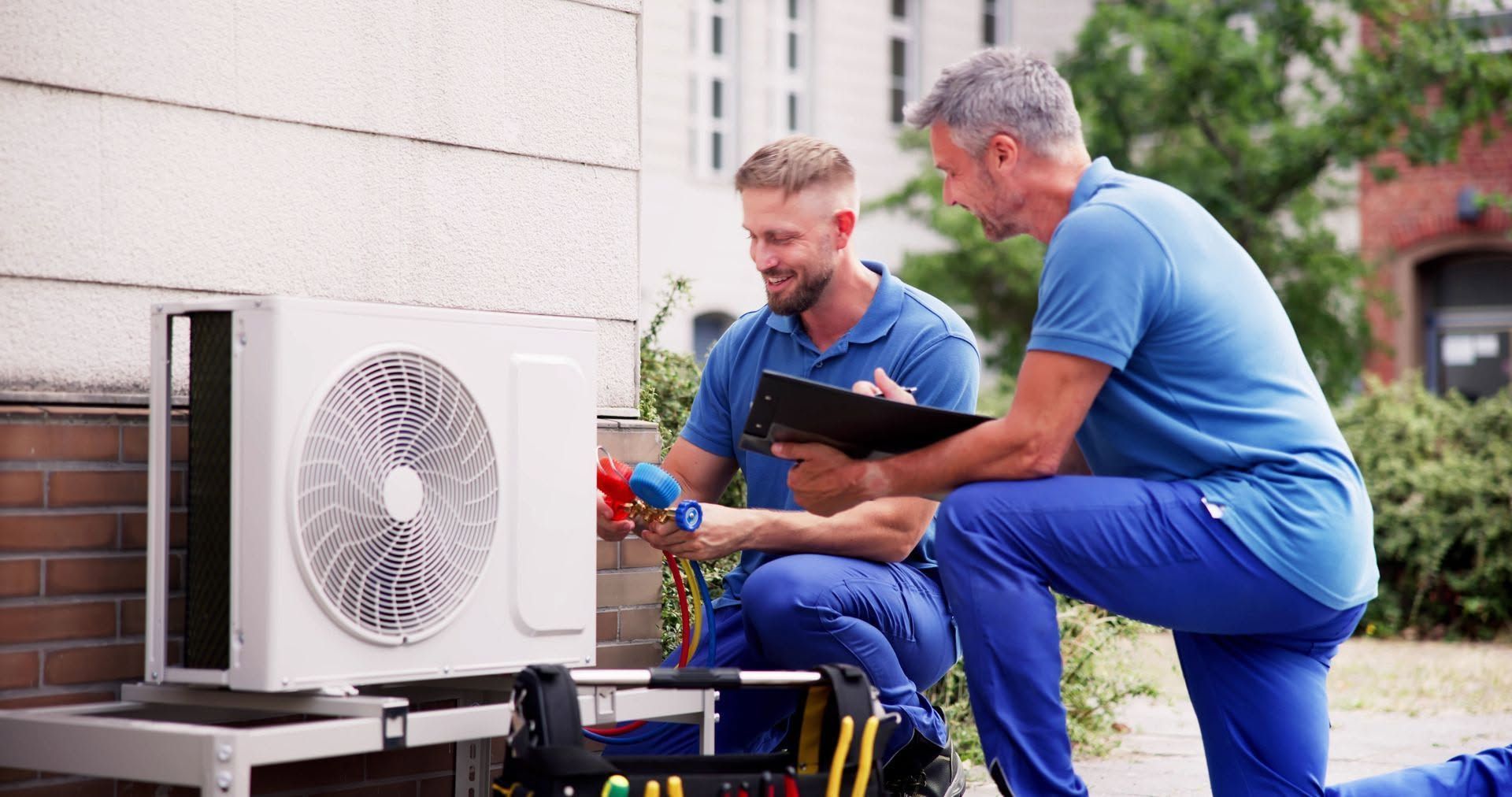
Upgrading core residential mechanical systems substantially enhances real estate marketability and buyer interest. Prospective homebuyers actively seek properties equipped with modern, high-efficiency mechanical systems that promise low utility costs and worry-free operation. According to HomeGuide, installing a replacement cooling setup generally requires anywhere from four hours to three days or longer based on project complexity. Planning an air conditioner replacement enhances resale potential by removing immediate repair concerns for prospective buyers looking for move-in ready properties.
Energy-efficient home features serve as major marketing points in competitive real estate environments, attracting value-focused buyers. Highlighting modernized climate equipment, digital controls, and reduced operating costs differentiates a listing from neighboring homes. Sleek equipment cabinets and quiet exterior units improve outdoor aesthetic appeal and backyard usability. Investing in durable mechanical infrastructure safeguards property values, demonstrates proactive home care, and establishes lasting home equity.
Upgrading an aging cooling system provides widespread benefits that extend far beyond simple temperature regulation. Improved energy efficiency, lowered monthly utility costs, reduced repair burdens, and advanced smart features elevate everyday living conditions. Enhanced indoor air management, reduced sound output, and eco-friendly refrigerant technology support a healthier, more sustainable household environment. Executing a timely air conditioner replacement pays dividends through enhanced home comfort, elevated property value, and long-term financial savings.
Taking action to replace outdated cooling equipment guarantees reliable climate control, lower energy consumption, and peace of mind during peak summer heat. Modern technology empowers homeowners to enjoy custom atmospheric controls while protecting their property investment against unexpected repair costs. When you are ready to enhance your home comfort and energy efficiency, contact our team at Professional Heating and Cooling to schedule your consultation.